








 Back to News
Choosing and caring for laboratory glassware
27 Oct 2026
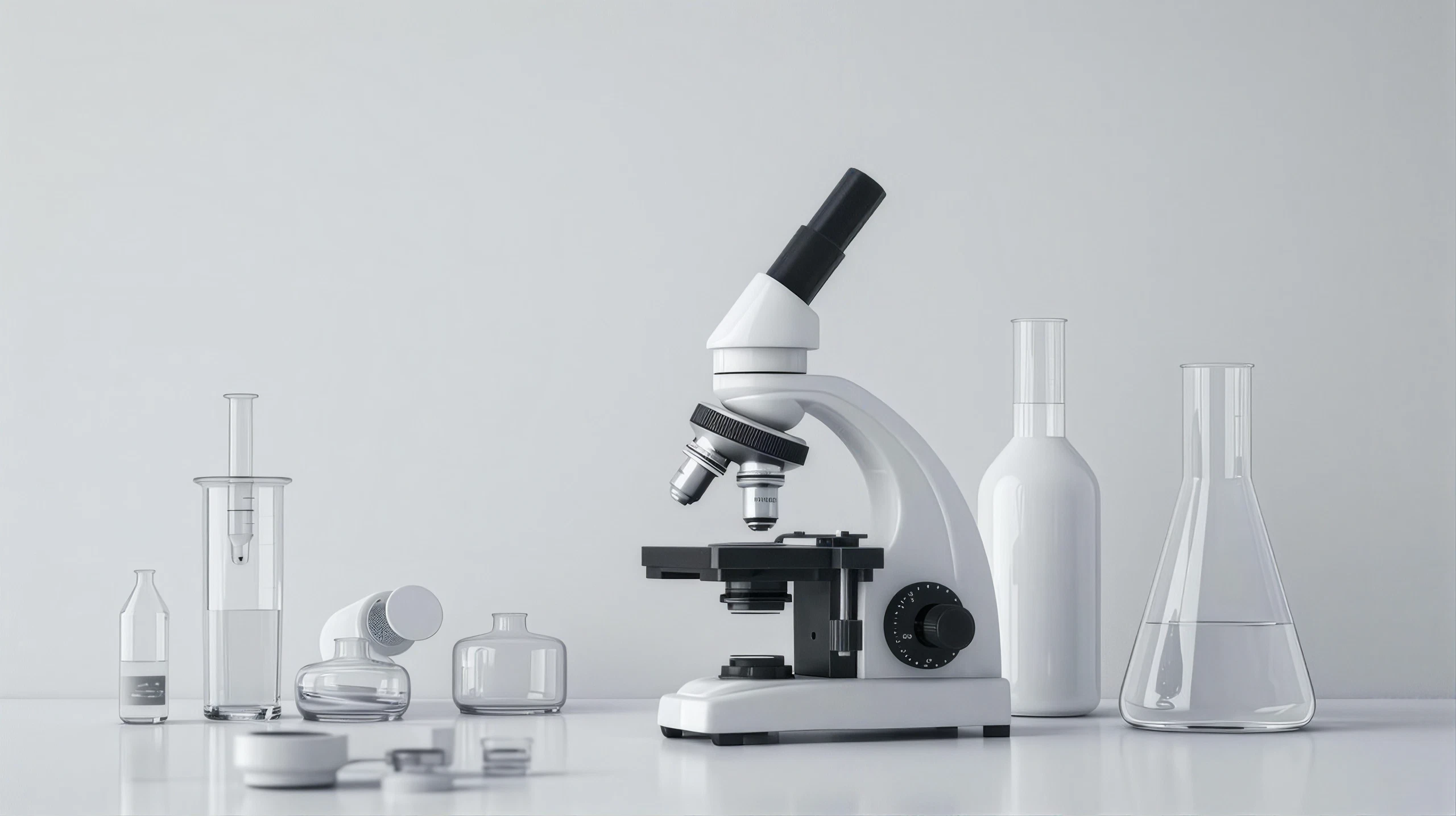
Glassware is the most common and the most fragile equipment in a laboratory, so choosing it well pays off. Most laboratory glass is borosilicate, which withstands heat and sudden temperature changes much better than ordinary glass and resists most chemicals.
Choose by purpose. Beakers and conical flasks are for mixing, heating and holding liquids, but their markings are only approximate. For accurate volumes use volumetric flasks, pipettes and burettes, which are supplied in tolerance classes, with class A the tighter. Never heat volumetric ware or dry it in a hot oven, because the glass can change shape and lose its calibration.
Before every use, look for chips, scratches and star-shaped cracks, especially on rims, necks and ground joints. A flawed vessel can fail suddenly under heat, vacuum or pressure, so withdraw it from use.
Clean glassware soon after use, while residues are still soft. Soak it in warm water with laboratory detergent, scrub with a soft brush, and rinse with tap water and then distilled water. Avoid abrasive powders that scratch the surface. Do not force a stuck stopper; ask for advice instead. Hot concentrated alkali and hydrofluoric acid damage glass. Store pieces upright or on padded racks so they do not knock together, and read every liquid level with the eye at the level of the meniscus.